The Regulatory Crossroads of Autonomous Driving
The streets of San Francisco became a focal point for the future of ridesharing in January 2026, as a series of protests by Uber and Lyft drivers highlighted the growing tensions between autonomous vehicle (AV ) innovation and the human workforce that powers the industry today. As the California Public Utilities Commission (CPUC ) weighs stricter regulations for AVs, the rideshare industry finds itself at a regulatory crossroads, balancing technological progress with pressing safety and labor concerns. This article delves into the recent protests, the safety issues at stake, and the potential regulatory changes that could reshape the future of autonomous mobility.
Driver Protests in San Francisco
In early January 2026, about two dozen rideshare drivers and their supporters gathered outside the CPUC offices in San Francisco to voice their opposition to the expansion of robotaxi services, particularly those operated by Waymo, a subsidiary of Alphabet Inc. The protesters called for greater oversight of autonomous vehicles, citing a series of recent incidents that have raised public safety alarms. The demonstration underscores a growing sentiment among drivers that the rapid deployment of AVs threatens their livelihoods and, without sufficient regulation, could compromise public safety.
A Stand for Livelihoods and Safety
The drivers, many of whom are part of the growing gig economy workforce, expressed deep concerns about their future in an industry that is rapidly moving towards automation. The protest was not just about job security; it was a call for a more cautious and regulated approach to the deployment of a technology that is still in its nascent stages. The drivers argued that the real-world complexities of urban driving cannot be fully replicated by current AI, and that human oversight remains critical for ensuring the safety of passengers and pedestrians alike. The protest served as a powerful reminder that the transition to an autonomous future has significant social and economic implications that cannot be ignored.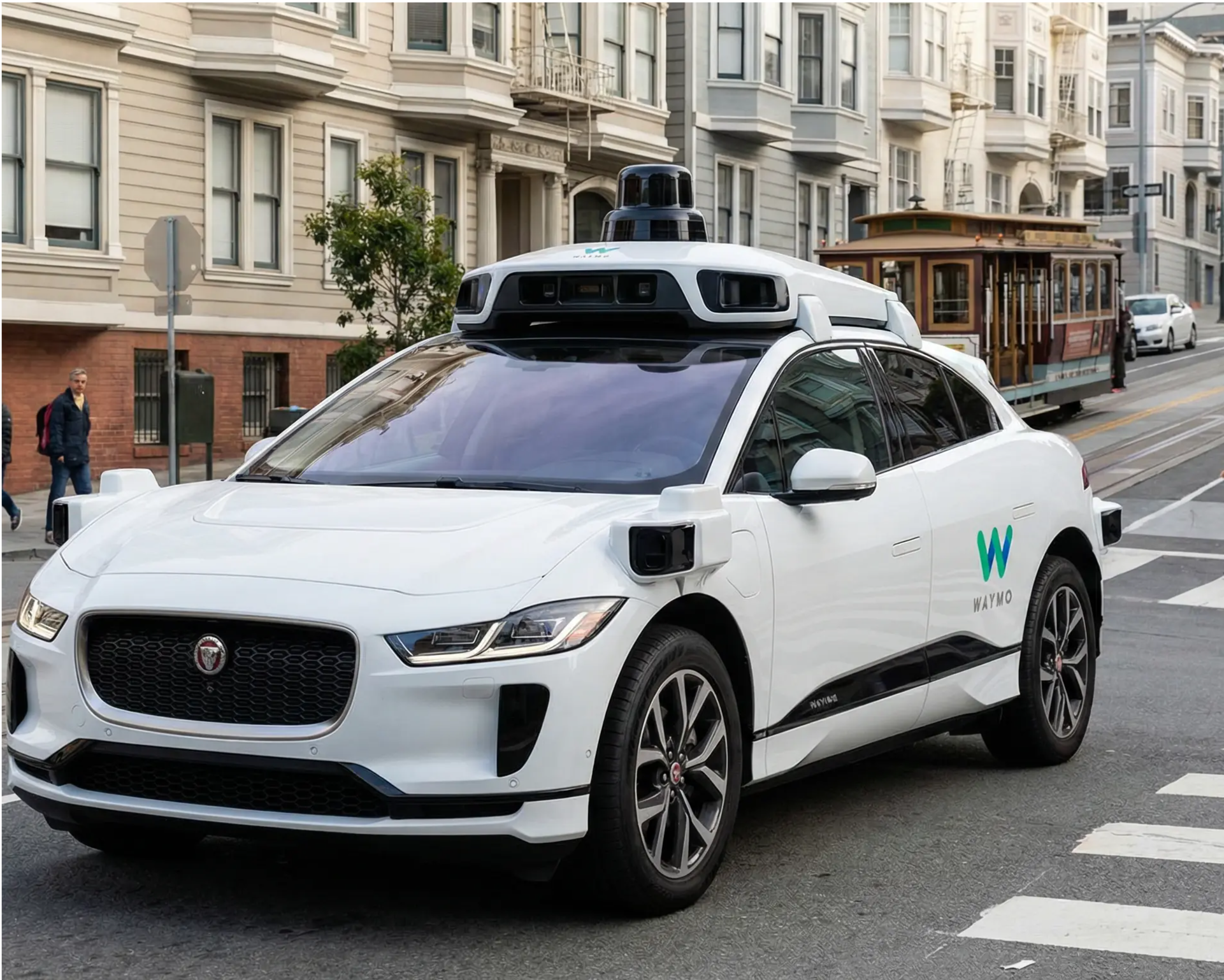
Pressing Safety Concerns at the Forefront
The drivers’ protests are not unfounded. In the months leading up to the demonstration, several high-profile incidents involving Waymo robotaxis have drawn public scrutiny. These include reports of AVs blocking traffic for extended periods, and more alarmingly, incidents where robotaxis were involved in accidents resulting in the death of pets. These events have fueled a narrative of a technology being deployed too quickly, without adequate safeguards to handle the unpredictable nature of urban environments. The concerns raised by drivers and safety advocates are now forcing regulators to take a closer look at the real-world performance and reliability of autonomous driving systems.
Beyond Minor Glitches
While proponents of AV technology often dismiss these incidents as minor glitches in a complex system, critics argue that they reveal a fundamental gap between the controlled environments of AV testing and the chaotic reality of city streets. The inability of an AV to navigate a simple traffic obstruction or to recognize and avoid a small animal raises serious questions about its ability to handle more complex and life-threatening scenarios. These are not just technical issues; they are matters of public trust. For autonomous vehicles to be widely accepted, the public needs to be confident that they are significantly safer than human drivers, a standard that has yet to be definitively met.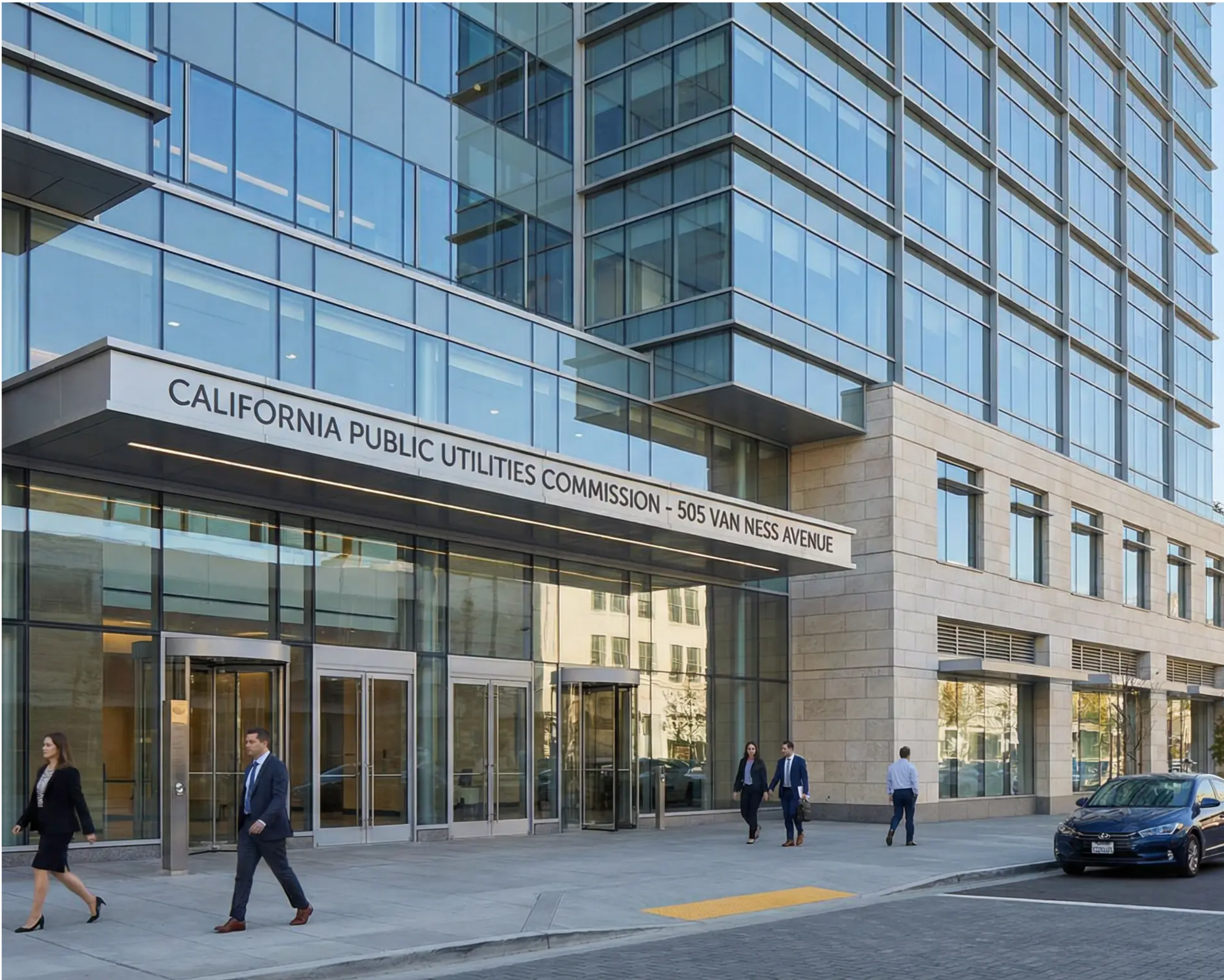
The Regulatory Landscape and the CPUC’s Role
The California Public Utilities Commission is now tasked with the challenge of updating its regulatory framework to address the complexities of autonomous ridesharing. The commission is considering a range of new rules that could impact everything from AV testing and deployment to data transparency and incident reporting. The outcome of the CPUC’s deliberations will have far-reaching implications for the pace of AV adoption in California and could set a precedent for other states and countries.
Crafting a Framework for the Future
The CPUC is exploring a multi-faceted approach to regulation. This includes the possibility of requiring AV operators to submit more comprehensive safety data, including a detailed log of all disengagements and system failures. There is also a push for greater transparency, which would involve making this data publicly accessible, allowing for independent analysis and scrutiny. Furthermore, the commission is looking at the economic impact on human drivers, with discussions around the potential for creating a ‘just transition’ fund, which could provide financial support and retraining for drivers displaced by automation. These regulatory discussions are complex and contentious, with AV companies lobbying for a light-touch approach, while labor unions and safety advocates are pushing for more stringent oversight.
Industry Impact and Uber’s Path Forward
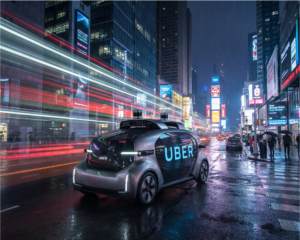
For rideshare giants like Uber, the evolving regulatory landscape presents both challenges and opportunities. While stricter regulations could slow down the deployment of its own autonomous vehicle initiatives, such as the recently announced partnership with Lucid and Nuro, they could also help to build public trust and create a more stable, predictable environment for long-term investment. Uber’s strategy will likely involve a dual approach: actively participating in the regulatory process to shape workable rules, while simultaneously advancing its AV technology and partnerships to stay at the forefront of innovation.
Navigating a Complex Ecosystem
Uber’s partnership with Lucid and Nuro to launch a luxury robotaxi service in the San Francisco Bay Area later in 2026 is a clear indication of its commitment to an autonomous future. However, the success of this and other AV initiatives will be contingent on navigating the complex regulatory environment and addressing the legitimate concerns of drivers and the public. Uber’s ability to collaborate with regulators, to be transparent about the capabilities and limitations of its technology, and to find a way to integrate human drivers into its long-term vision will be critical to its success. The company’s journey through this regulatory maze will be a key indicator of the future direction of the entire rideshare industry.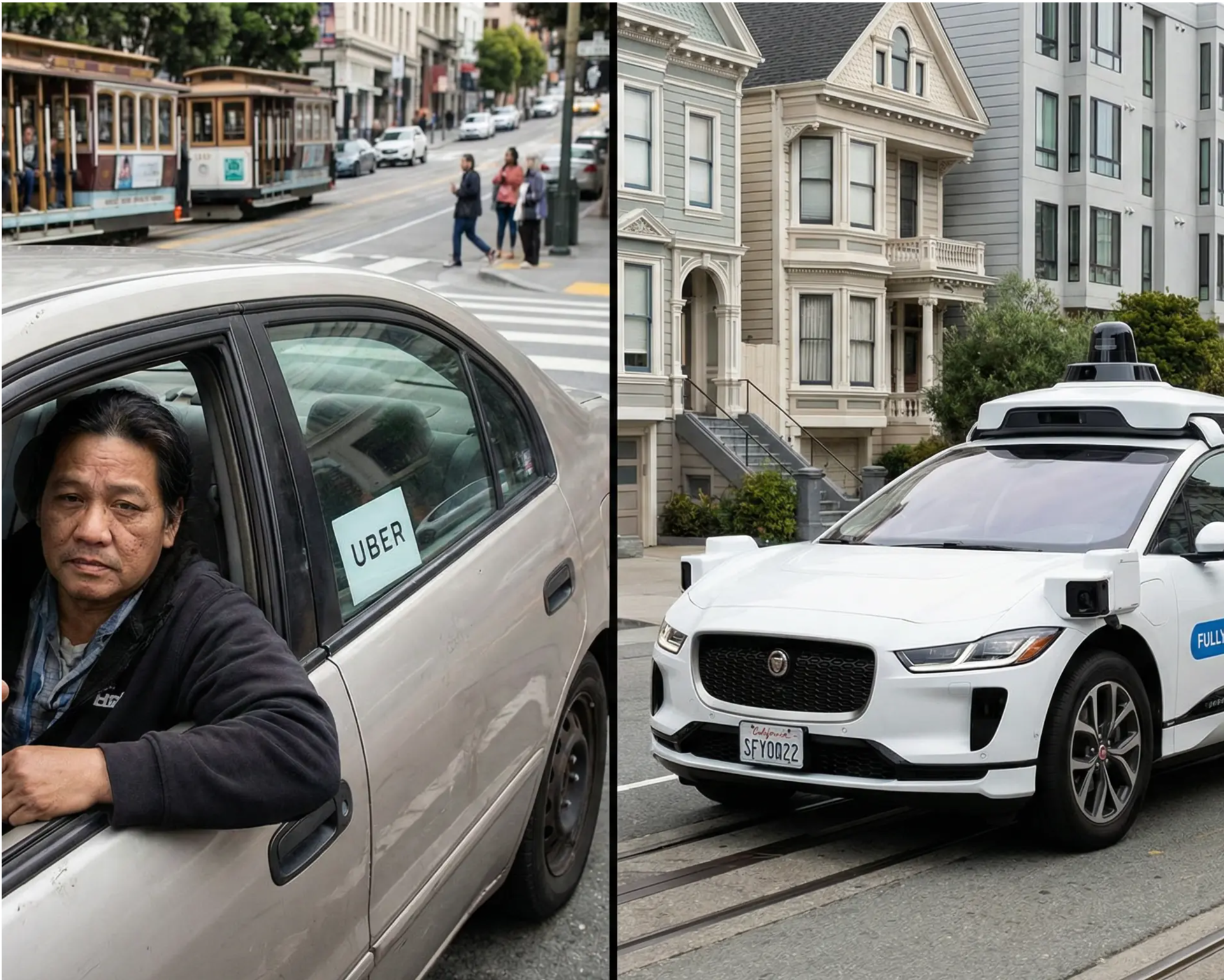
Conclusion A Balanced Approach is Needed
The January 2026 driver protests in San Francisco have brought the debate over autonomous vehicle regulation to the forefront. As the CPUC considers its next steps, the rideshare industry is at a critical juncture. The path forward will require a delicate balance between fostering innovation and ensuring the safety and well-being of the public and the human workforce that has been the backbone of the rideshare economy. The decisions made in the coming months will not only shape the future of autonomous mobility in California but will also have a lasting impact on the global transition to a driverless future. A collaborative approach, involving all stakeholders — technology companies, regulators, labor unions, and the public — will be essential for navigating this complex and transformative period in the history of transportation.