The year is 2026, and the future of urban transportation is arriving faster than ever. For years, the concept of a self-driving taxi has felt like science fiction, a distant dream promised by tech visionaries. But the dream is rapidly becoming a reality. Uber, the company that revolutionized the way we hail a ride, is once again at the forefront of a massive shift in mobility. With the launch of its dedicated Uber Autonomous Solutions division, the company is officially entering the robotaxi race, signaling the beginning of a new, driverless era. This isn’t just an experiment; it’s a full-scale revolution poised to reshape our cities, our economy, and our very definition of travel.
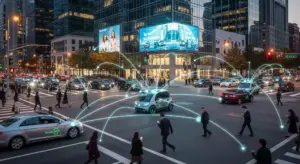
This year, Uber is rolling out its first fleet of autonomous vehicles, starting with a landmark launch in Los Angeles. This move marks a pivotal moment for the rideshare industry, transitioning from a human-driven service to a hybrid network where technology takes the wheel. But what does this mean for you, the everyday rider? How will it impact the millions of drivers who currently make a living on the platform? Let’s dive into the robotaxi revolution and explore Uber’s autonomous future in 2026.
The Dawn of a New Era Uber Autonomous Solutions
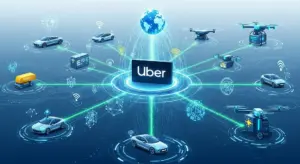
In a move that solidifies its commitment to a driverless future, Uber has officially launched Uber Autonomous Solutions, a new division dedicated to accelerating the development and deployment of autonomous mobility and delivery. Announced in early 2026, this strategic initiative signals a major shift in Uber’s approach, moving from third-party partnerships to a more integrated role in the AV ecosystem. The company is no longer just a platform for hailing rides; it is now a key player in building the very technology that will define the next generation of transportation.
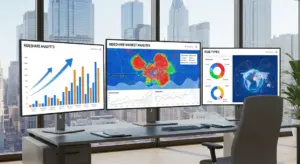
This new division is tasked with a clear mission to bring safe, reliable, and affordable autonomous mobility to the masses. The first major milestone is the launch of a robotaxi service in Los Angeles later this year, a move that will put Uber in direct competition with other AV pioneers like Waymo and Cruise. By leveraging its massive dataset of urban travel patterns and its deep understanding of network management, Uber is uniquely positioned to optimize the deployment of autonomous vehicles, ensuring they are available where and when they are needed most. This data-driven approach is a key differentiator, allowing Uber to tackle the complex challenges of urban mobility with a level of precision that few can match. As we explore in our deep dive on Uber’s technology stack, the company’s expertise in logistics and network optimization will be a critical asset in the robotaxi race.
The Technology Powering the Revolution
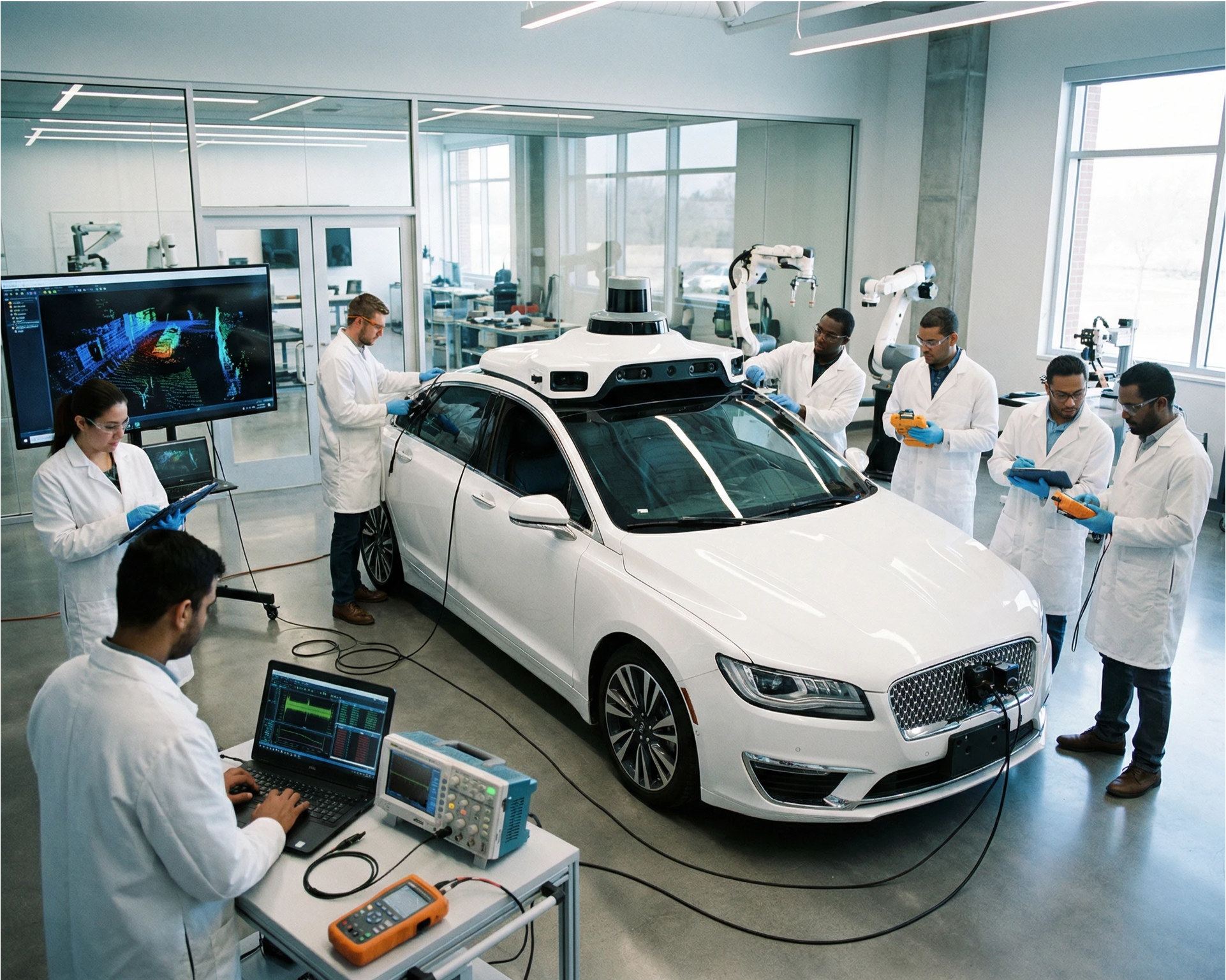
At the heart of Uber’s robotaxi is a sophisticated suite of technologies designed to navigate the complexities of the real world safely and efficiently. This isn’t just about a car that can steer itself; it’s about creating a system that can perceive, think, and react faster and more reliably than a human driver. The vehicle is equipped with a multi-layered sensor array that provides a 360-degree view of its environment, creating a rich, real-time map of its surroundings. This comprehensive understanding is the foundation upon which the entire autonomous system is built.
Advanced Sensors and Perception Systems
The primary senses of the Uber robotaxi are its advanced sensor systems. These include LiDAR (Light Detection and Ranging), which uses laser beams to create a precise three-dimensional map of the environment, allowing the vehicle to detect objects, pedestrians, and other vehicles with incredible accuracy. This is complemented by a suite of high-resolution cameras that provide visual information, enabling the system to read traffic lights, recognize road signs, and identify lane markings. Radar sensors provide an additional layer of perception, offering reliable detection of objects and their velocity, even in adverse weather conditions like rain or fog. For a deeper understanding of how these sensors work together, you can read more about the principles of LiDAR technology from a leading authority like Velodyne Lidar.
The Brain of the Operation AI and Machine Learning
All the data collected by the sensors is fed into the vehicle’s central processing unit — the brain of the operation. This is where artificial intelligence and machine learning algorithms come into play. These complex algorithms are responsible for interpreting the sensor data, predicting the behavior of other road users, and making critical driving decisions in a fraction of a second. Uber is leveraging its vast repository of trip data to train these algorithms, creating a system that learns and improves with every mile driven. This continuous learning process is essential for handling the unpredictable nature of city driving, from jaywalking pedestrians to erratic drivers. The AI must not only follow the rules of the road but also understand the unwritten social cues of traffic, a challenge that researchers at institutions like Carnegie Mellon University’s Argo AI Center for Autonomous Vehicle Research are actively working to solve.
Safety Redundancy and Failsafe Mechanisms
Safety is the single most important aspect of autonomous driving, and Uber has built multiple layers of redundancy into its robotaxi platform. This means that every critical system — from the sensors and computers to the braking and steering systems — has a backup that can take over in the event of a failure. For instance, if a camera is obscured by a raindrop, the LiDAR and radar systems can still provide the necessary information to navigate safely. The vehicle’s software is also designed with numerous failsafe protocols. If the system encounters a situation it doesn’t understand, it is programmed to slow down, pull over to a safe location, and request remote assistance. This commitment to safety is paramount for gaining public trust and is a core component of the systems powering millions of daily rides today.
Key Partnerships Driving the Change
Uber understands that building a global autonomous network is not a task it can accomplish alone. The complexity and capital-intensive nature of AV development require deep collaboration with established automotive players and specialized tech companies. As we’ve seen in our analysis of Uber’s strategic collaborations, partnerships are central to its growth strategy. This is truer than ever in the autonomous space, where Uber is forging key alliances to bring its robotaxi vision to life.
Collaborating with Volkswagen
A cornerstone of Uber’s robotaxi launch in Los Angeles is its partnership with Volkswagen. This collaboration brings together Uber’s expertise in network management and autonomous systems with Volkswagen’s century of experience in automotive manufacturing and engineering. The initial fleet will consist of specially adapted, all-electric Volkswagen vehicles, designed to integrate seamlessly with Uber’s self-driving technology. This partnership allows both companies to play to their strengths, accelerating the path to commercial deployment. By working with a global manufacturing powerhouse like Volkswagen, Uber can ensure a reliable supply of high-quality, purpose-built vehicles, a critical factor for scaling the service. This type of collaboration between tech and traditional auto is becoming a defining trend in the industry, as noted by automotive news outlets like Automotive News.
The Nuro and Lucid Motors Connection
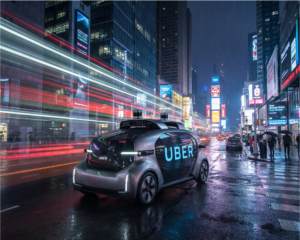
Further highlighting its collaborative approach, Uber made a major splash at CES 2026 by unveiling a purpose-built global robotaxi developed in partnership with Lucid Motors and Nuro. This vehicle is not a retrofitted passenger car but a ground-up design created specifically for autonomous ride-hailing. Lucid Motors, known for its luxury electric vehicles, brings its cutting-edge EV platform and design prowess, while Nuro contributes its expertise in autonomous driving technology, particularly from the world of autonomous delivery. The result is a vehicle optimized for passenger comfort, safety, and operational efficiency. The official announcement from Lucid Motors details how this unique vehicle is set to be a game-changer for the industry, offering a glimpse into the future of shared mobility.
What Does the Robotaxi Future Mean for Riders?
The transition to a driverless fleet promises to fundamentally change the passenger experience. For riders, the robotaxi revolution is not just about a new type of car; it’s about a safer, more consistent, and potentially more affordable way to get around. The changes will be felt across every aspect of the ride-hailing journey, from the moment you book your trip to the second you arrive at your destination. This new paradigm in mobility is focused on creating a seamless and stress-free experience, leveraging technology to remove the friction points of traditional transportation.
Enhanced Safety and Reliability
The most significant benefit of autonomous vehicles is the potential for a dramatic safety improvement. The vast majority of traffic accidents are caused by human error, a factor that robotaxis are designed to eliminate. By removing variables like distraction, fatigue, and impairment, autonomous systems can operate with a level of consistency and vigilance that is simply not possible for a human driver. According to the National Highway Traffic Safety Administration (NHTSA), automated vehicle technologies have the potential to save thousands of lives each year. For riders, this means greater peace of mind on every trip. Furthermore, the standardized nature of a robotaxi fleet ensures a more reliable and predictable experience. Every vehicle will be programmed to follow the same safety protocols and driving standards, leading to a more consistent level of service.
Potential for Lower Costs
While the initial development costs of autonomous technology are immense, the long-term operational savings are expected to be significant. The largest single cost in the ride-hailing business is driver earnings. By removing the driver from the equation, Uber can substantially reduce the cost per mile. While it remains to be seen how much of these savings will be passed on to consumers, the potential for more affordable rides is a major driver of the robotaxi revolution. This could make ride-hailing a more accessible option for a wider range of people and use cases, further integrating it into the fabric of urban life. For riders who are always looking for ways to reduce their transportation expenses, this is a welcome development, building on the kind of advice we’ve shared in our guide on 5 ways to save money on your Uber rides.
A New Kind of Passenger Experience
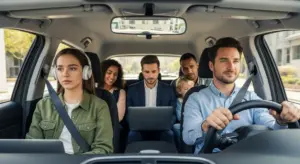
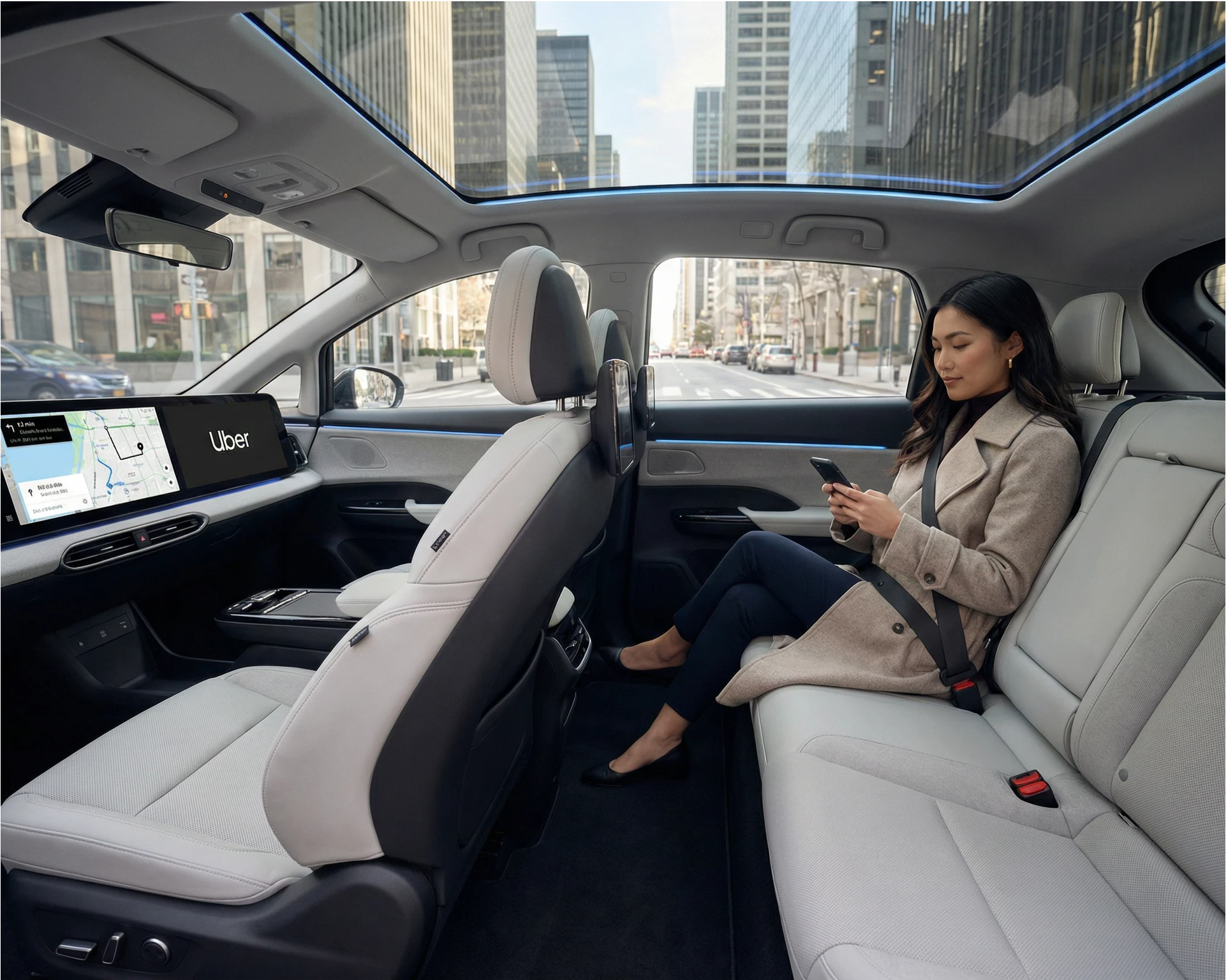
Freed from the need to focus on the road, the interior of the robotaxi can be reimagined as a new kind of personal space. The absence of a driver and traditional controls opens up new possibilities for cabin design, creating a more spacious and comfortable environment. Passengers will be able to use their travel time more productively, whether it’s catching up on work, watching a movie, or simply relaxing. The in-car experience will be highly personalized, with the ability to control the music, climate, and lighting from your smartphone. The dashboard display, once reserved for the driver, will now become an entertainment and information hub for the passenger. This transformation of the vehicle into a “third space” between home and work is a key aspect of the future passenger economy, a concept explored by thought leaders like Strategy+Business.
The Impact on Uber Drivers and the Gig Economy
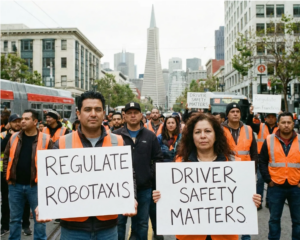
The rise of the robotaxi inevitably raises critical questions about the future of work for the millions of people who currently drive for Uber. The transition to a driverless fleet will be a gradual process, but it represents a fundamental shift in the gig economy. For many drivers, their vehicle is their primary source of income, and the prospect of being replaced by a machine is a source of significant anxiety. This concern is not unfounded, and it has been a central theme in the ongoing conversations about the future of labor in the age of automation. The protests surrounding autonomous vehicle regulations, as we covered in our report on the California AV protests, highlight the very real fears that drivers have about their livelihoods.
However, the transition is unlikely to be an overnight switch. For the foreseeable future, Uber will operate a hybrid network, with both human drivers and autonomous vehicles coexisting on the platform. In the short to medium term, human drivers will still be needed to serve areas that are not yet mapped for autonomous operation, to handle complex trips that require human intervention, and to meet demand during peak hours that exceed the capacity of the robotaxi fleet. Furthermore, the rise of autonomous vehicles will create new jobs in areas such as remote fleet management, vehicle maintenance, and customer support. The role of the “driver” may evolve into that of a “fleet technician” or a “remote operator,” requiring a new set of skills. Organizations like the World Economic Forum have extensively discussed the need for reskilling and upskilling the workforce to adapt to these technological shifts.
Challenges on the Road Ahead
While the promise of a driverless future is immense, the road to full-scale adoption is paved with significant challenges. The technology is advancing at a breathtaking pace, but the social, regulatory, and economic frameworks required to support it are still in their infancy. Overcoming these hurdles will be just as critical as perfecting the technology itself. The journey from a promising prototype to a ubiquitous urban mobility solution is a marathon, not a sprint, and it will require a concerted effort from a wide range of stakeholders, including tech companies, policymakers, and the public.
Regulatory Hurdles and Public Trust
One of the biggest obstacles to the widespread deployment of robotaxis is the lack of a clear and consistent regulatory framework. The laws governing autonomous vehicles vary significantly from state to state and country to country, creating a complex patchwork of rules that can slow down innovation. Issues of liability in the event of an accident, data privacy, and cybersecurity are all critical questions that need to be addressed. Building public trust is another major challenge. While the technology is designed to be safer than a human driver, high-profile accidents involving autonomous vehicles have created a sense of skepticism and fear among many people. Gaining public acceptance will require a transparent approach to safety and a proven track record of reliable operation. Organizations like the Insurance Institute for Highway Safety (IIHS) are playing a key role in independently evaluating the safety of these new technologies and providing unbiased information to the public.
The High Cost of Innovation
The development of autonomous vehicle technology is an incredibly expensive endeavor. The cost of the advanced sensors, powerful computers, and extensive research and development required to build a single robotaxi runs into the hundreds of thousands of dollars. While these costs are expected to come down over time with economies of scale, the initial investment required to build and deploy a large fleet of robotaxis is staggering. This high cost of innovation creates a significant barrier to entry for smaller companies and makes it difficult to achieve profitability in the short term. The financial viability of the robotaxi model will depend on a number of factors, including the durability of the vehicles, the cost of maintenance, and the efficiency of the network. The economic dynamics of this new market are a central theme in our analysis of the rideshare market dynamics, and they will be even more critical in the capital-intensive world of autonomous vehicles.
Conclusion The Road to a Driverless World
The robotaxi revolution is no longer a distant vision; it is happening now. Uber’s launch of its autonomous vehicle fleet in 2026 is a clear indication that the industry is on the cusp of a profound transformation. The convergence of advanced sensor technology, artificial intelligence, and strategic partnerships is creating a new mobility ecosystem that promises to be safer, more efficient, and more accessible for everyone. The journey ahead will undoubtedly have its bumps in the road, with regulatory, economic, and social challenges to overcome. But the momentum is undeniable.
As we stand at this technological crossroads, the questions we face are no longer about *if* autonomous vehicles will become a part of our daily lives, but *how* and *when*. The implications are vast, touching everything from urban planning and public transportation to the very nature of work itself. The road to a fully driverless world will be a long one, but the first miles are being driven today. The robotaxi revolution is here, and Uber is in the driver’s seat — even if, soon, there won’t be a driver at all.