Uber is at the forefront of the ridesharing industry, revolutionizing how we travel. But one of the most exciting aspects of its future is its push towards sustainability. As cities grapple with pollution and traffic congestion, Uber’s commitment to going electric is paving the way for a cleaner, greener future. In this blog, we will explore Uber’s electric future, its plans for sustainable ridesharing, and how these developments will reshape urban transportation in the coming years.
Uber’s Transition to Electric Vehicles
Uber has set ambitious goals for the future, particularly in reducing its carbon footprint. One of the most significant initiatives is Uber’s transition to electric vehicles (EVs). The company has committed to making all ridesharing trips fully electric by 2030, as part of its broader strategy to achieve net-zero emissions by 2040.
This bold move comes as part of Uber’s Environmental, Social, and Governance (ESG) goals, which align with global efforts to combat climate change. Electric vehicles not only offer lower emissions but also represent a shift towards energy-efficient technologies. Uber’s push for EVs will help reduce the environmental impact of traditional gasoline-powered cars that dominate urban streets.
The Current EV Fleet at Uber
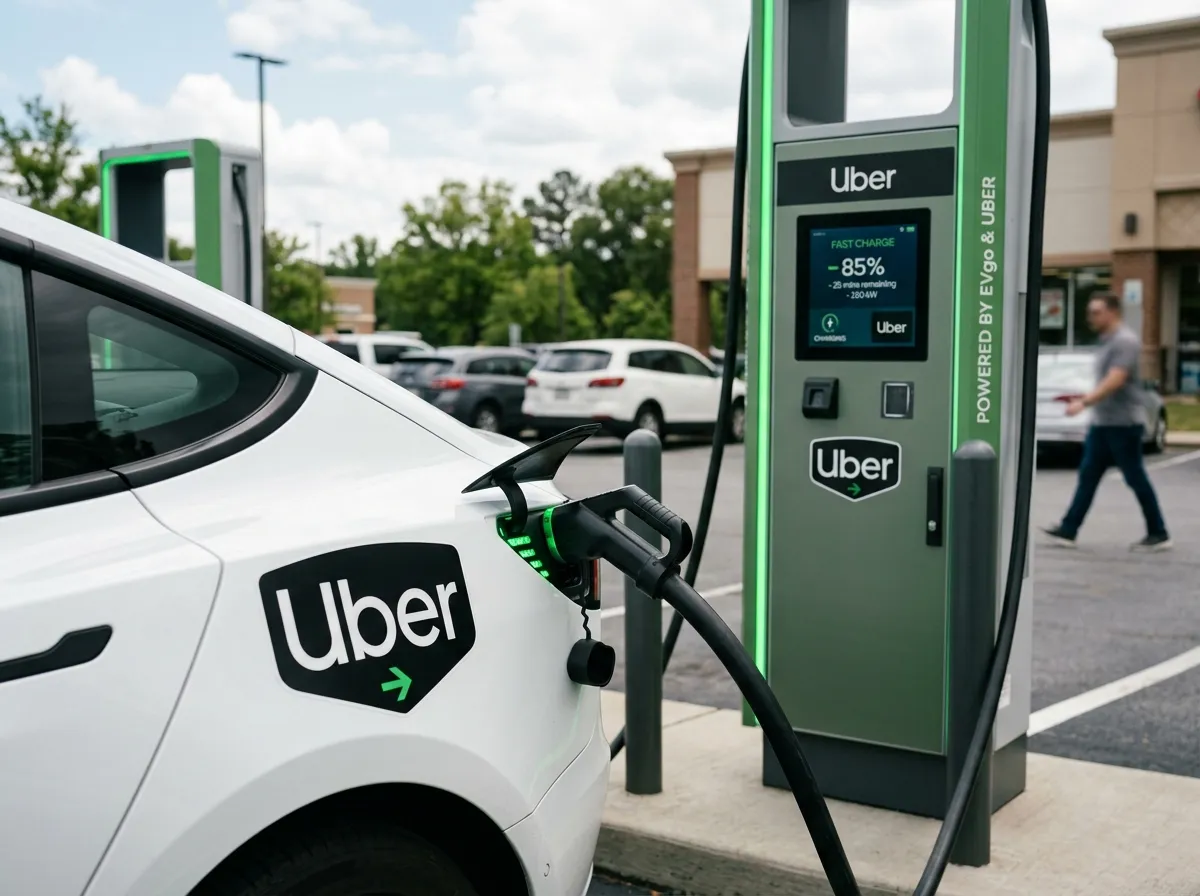
As of 2026, Uber has already made significant strides in integrating electric vehicles into its fleet. The company has partnered with manufacturers like Tesla, Nissan, and Chevrolet to bring affordable EV options to drivers. Uber’s existing EV fleet includes models such as the Tesla Model 3 and the Nissan Leaf, with many drivers already transitioning to electric cars.
In some cities, Uber offers incentives for drivers who use electric vehicles, including reduced service fees and access to EV-specific perks. These efforts have been well-received by both drivers and riders, as they provide both an environmentally friendly option and lower operational costs for drivers. You can read more about Uber’s strategic collaborations that support these transitions.
The Environmental Impact of Uber’s Electric Future
The shift to electric vehicles has a far-reaching impact on the environment. The transportation sector is a major contributor to greenhouse gas emissions, and by transitioning to electric vehicles, Uber is playing a significant role in reducing these emissions. EVs produce zero tailpipe emissions, which helps combat air pollution—a growing concern in major cities worldwide.
Beyond lowering emissions, electric vehicles also require less maintenance compared to traditional gas-powered vehicles, which can result in fewer waste products from oil changes and other mechanical processes. The overall lifecycle of an EV is far cleaner than a conventional car, making it a crucial step in Uber’s strategy to reduce its carbon footprint.
Uber’s Charging Infrastructure and Partnerships
For Uber’s electric future to be realized, the company needs to address one of the biggest challenges: charging infrastructure. To support the widespread adoption of EVs, Uber has partnered with charging station providers and local governments to install fast-charging stations in key locations. Uber drivers can access these stations to quickly recharge their vehicles during breaks or between rides.
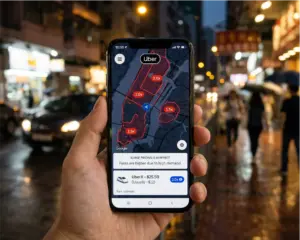
Uber has also worked on integrating its app with charging station networks, allowing drivers to locate nearby charging stations directly through the Uber app. This innovation makes it easier for drivers to switch to electric vehicles and maintain a smooth, efficient operation, ensuring they can provide uninterrupted service to riders.
The Cost of Transitioning to Electric Vehicles
While the environmental benefits of electric vehicles are clear, the cost of transitioning from traditional vehicles to electric ones is a concern for many rideshare drivers. EVs tend to have a higher upfront cost compared to gasoline-powered vehicles. However, Uber’s partnerships with car manufacturers, combined with government incentives, help reduce the financial burden on drivers.
In addition to these efforts, Uber has introduced programs that make EVs more accessible, such as providing financing options for drivers to purchase or lease electric cars. These programs aim to make the transition as affordable and seamless as possible, ensuring that drivers can take advantage of the benefits of going electric without bearing the full cost upfront. Interested in more about how Uber is improving urban mobility? Check out our post on urban mobility trends.
Image 3 here
What the Future Holds for Uber and Electric Ridesharing

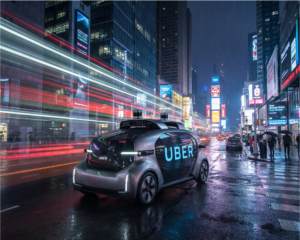
Looking ahead, Uber’s electric future looks incredibly promising. The company is continuously innovating, working on developing new EV models, improving battery technology, and expanding its charging network. These advancements will make electric ridesharing even more efficient and affordable for both drivers and riders.
As more cities adopt policies that encourage electric vehicles, Uber is positioning itself to be the leader in the sustainable transportation revolution. With an increasing number of EVs on the road, Uber can play a significant role in reducing urban air pollution and creating more sustainable cities.
For riders, the future promises a more environmentally conscious way to get around. Whether it’s through the availability of fully electric fleets, improved charging infrastructure, or a greater emphasis on sustainability in urban planning, Uber is leading the charge towards a cleaner and greener future for urban transportation.
Conclusion: Uber’s Commitment to Sustainability
Uber’s commitment to electric vehicles is an exciting step towards creating a more sustainable and eco-friendly future. By transitioning to electric cars, improving charging infrastructure, and providing incentives for drivers, Uber is not only reshaping the ridesharing industry but also contributing to the global efforts to combat climate change. With this forward-thinking approach, Uber’s electric future is bright, and it will likely continue to lead the way in sustainable ridesharing for years to come. To learn more about Uber’s roadmap for sustainability, visit the official sustainability page.