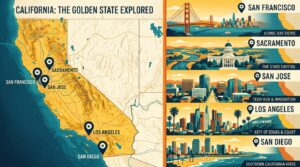
California is the birthplace of modern ridesharing, and in 2026 it is still the single most important Uber market in the country. But the experience of actually using Uber in California varies dramatically depending on which city you are in. A ride that takes 4 minutes and costs $14 in San Diego might take 14 minutes and cost $32 in San Francisco. To help you plan smarter trips, we ranked the best California cities to ride Uber in 2026 based on price, wait time, driver availability, and ride quality — plus a few that earned their place on the worst-of list.
How We Ranked the Cities
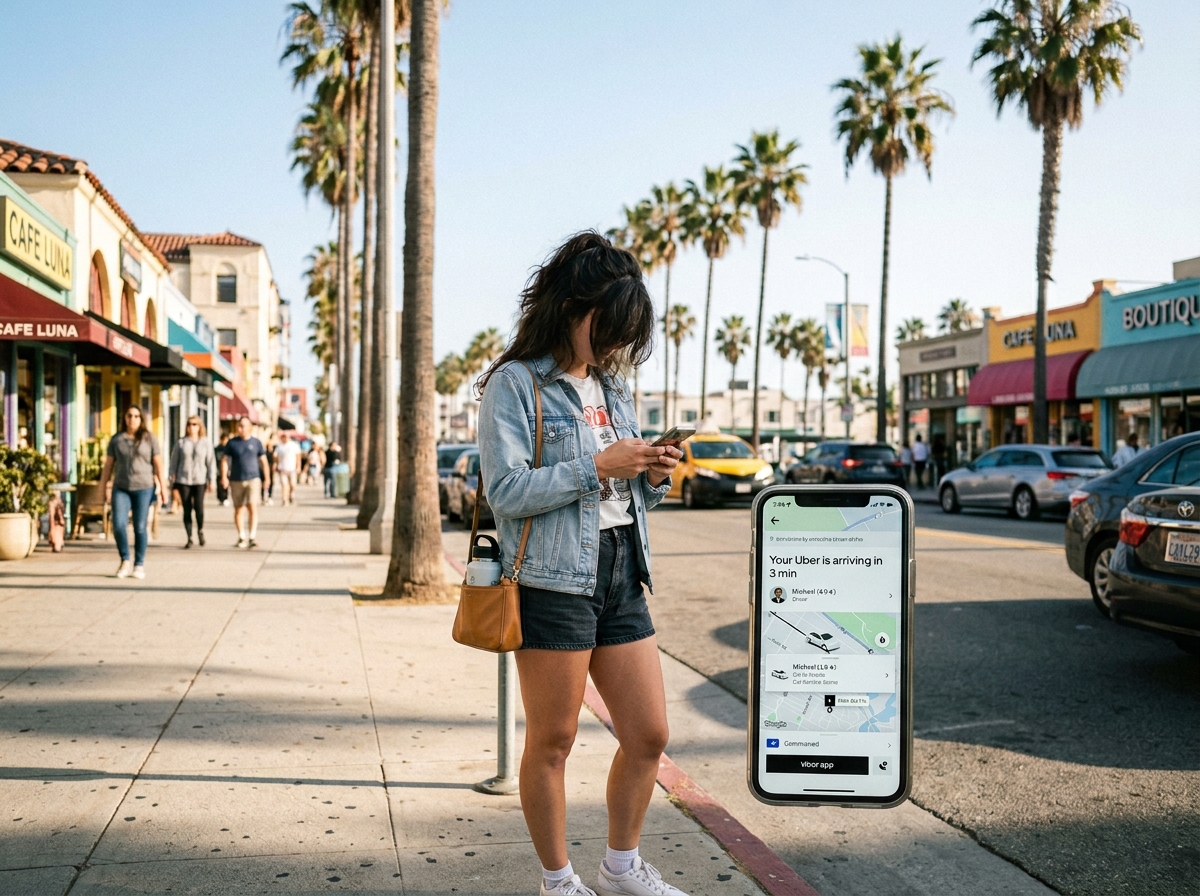
To keep the comparison fair, we looked at four factors that affect every Uber rider regardless of where they live or travel: average wait time during standard hours, typical UberX cost for a 5-mile ride, surge frequency during peak demand, and driver availability during off-peak windows like early mornings and late nights. The result is a snapshot of which California cities deliver the smoothest rideshare experience in 2026 and which ones consistently frustrate riders.
The Best California Cities for Uber in 2026
These four cities consistently deliver shorter waits, more reasonable pricing, and reliable driver supply.
San Diego: California’s Most Underrated Uber Market
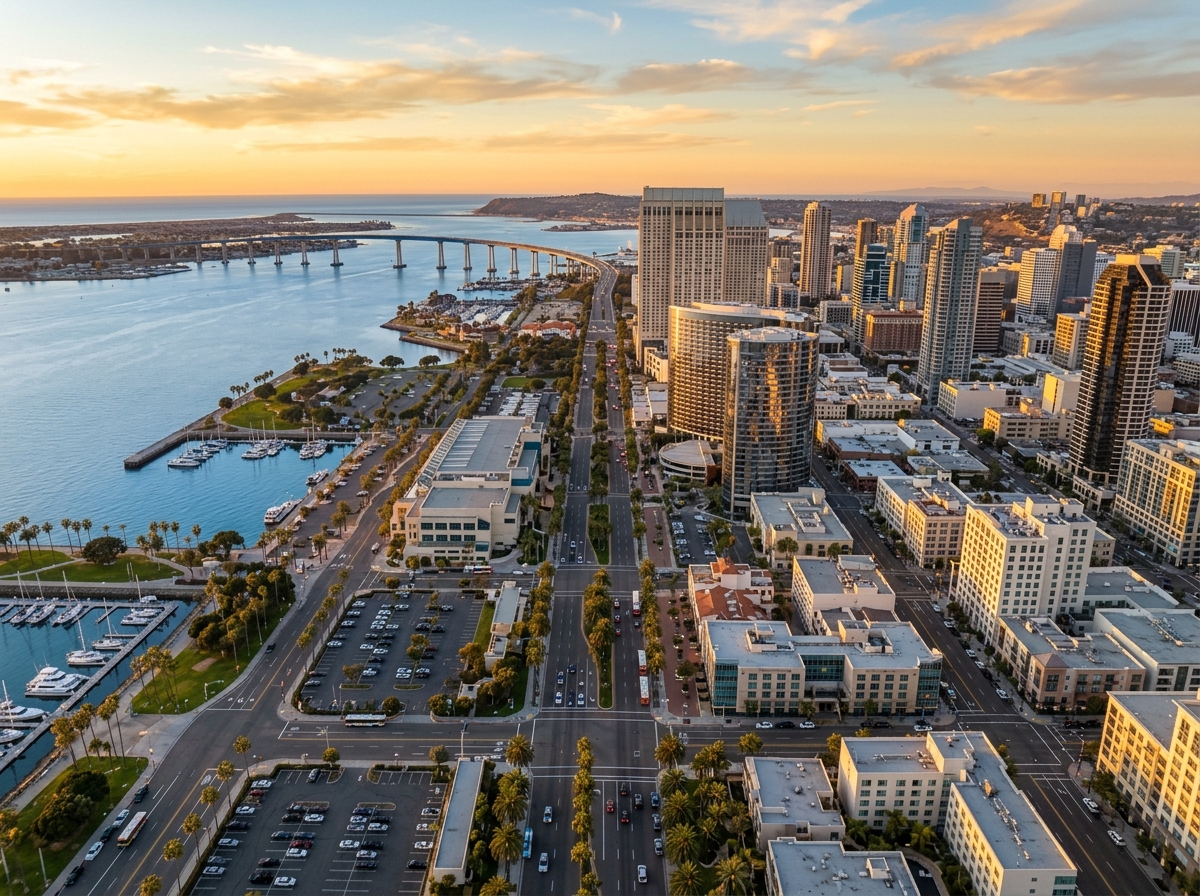
San Diego is the quiet winner of California’s 2026 rideshare landscape. Average wait times sit comfortably under 5 minutes during standard hours, surge events are less aggressive than in Los Angeles or San Francisco, and the city’s relatively spread-out layout means drivers are not getting stuck in chronic gridlock. According to California Uber rate data published in early 2026, San Diego ranks among the most affordable major rideshare markets in the state for typical short trips.
The one weakness is late-night driver supply outside of Gaslamp Quarter and Pacific Beach, where the bar crowds keep drivers active. If you are heading home from a quieter neighborhood after midnight, expect a slightly longer wait.
San Jose: The Best of the Bay Area
San Jose punches above its weight in 2026. The city benefits from a dense network of suburban drivers who serve the entire South Bay, which keeps wait times low and surge pricing in check during most weekdays. Tech-corridor traffic between San Jose, Mountain View, and Sunnyvale creates predictable demand patterns that drivers have learned to anticipate.
Pricing is moderate by California standards — cheaper than San Francisco but slightly higher than San Diego. Wait times during morning and evening tech-commute hours hover around 4 to 6 minutes, with surge activations typically limited to short bursts during rush hour.
Sacramento: California’s Best Value Capital
The state capital often gets overlooked in California rideshare conversations, but Sacramento delivers genuinely strong value. Average UberX fares are noticeably lower than in coastal cities, wait times are short outside of downtown event days, and surge pricing is uncommon outside of Golden 1 Center game nights and major Capitol events.
The one caveat is that suburban areas like Folsom, Elk Grove, and Roseville can see longer wait times during off-peak hours. If you live further out, scheduling a ride ahead through Uber Reserve is worth the small premium.
Long Beach: A Solid LA-Area Alternative
For travelers who want LA proximity without LA pricing or wait times, Long Beach offers a surprisingly smooth Uber experience. Driver supply is steady, surge events are less frequent than in central Los Angeles, and the city’s grid-style layout makes for predictable trip times. Long Beach is also a popular pickup destination for travelers flying into Long Beach Airport, where rideshare logistics are far simpler than at LAX.
The Worst California Cities for Uber in 2026
These cities are not bad places to ride Uber — they are simply more expensive, slower, and more unpredictable than their California counterparts.
San Francisco: The Most Expensive Uber in California
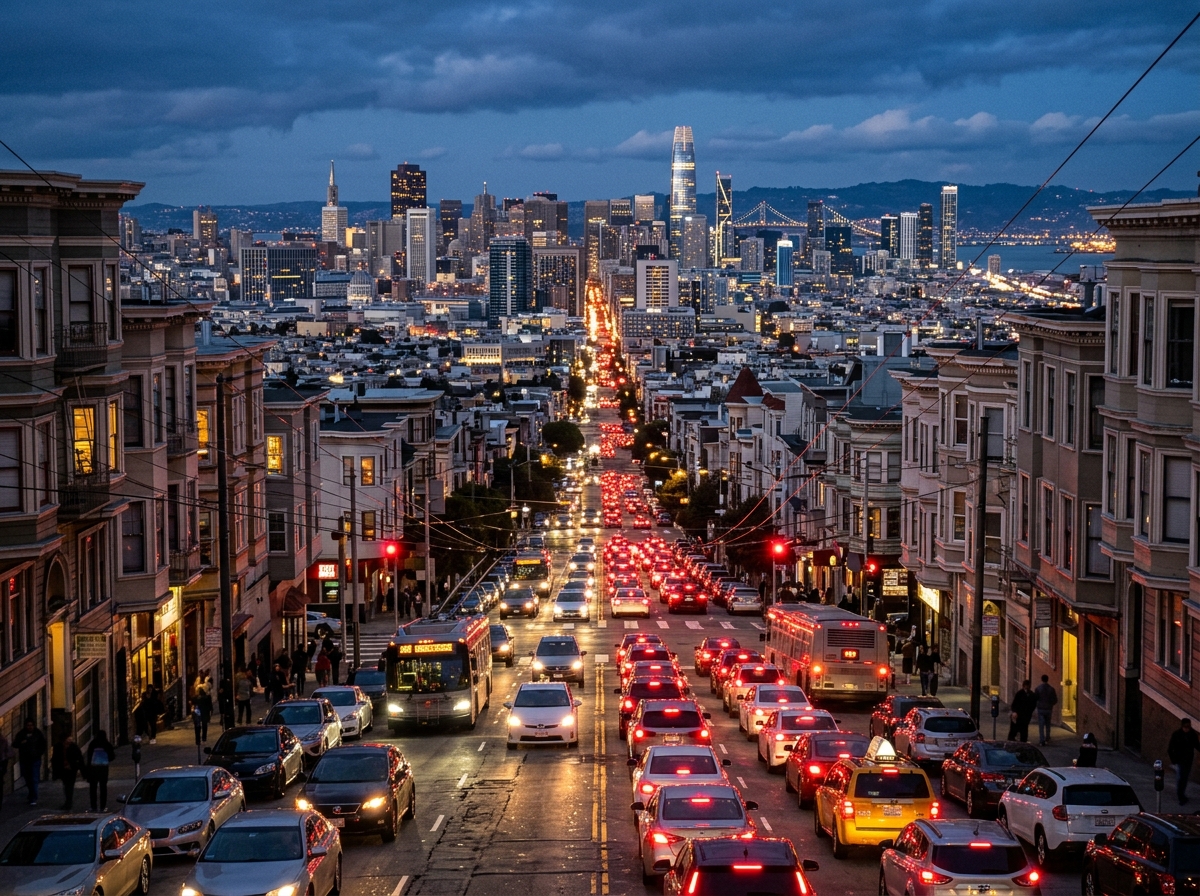
San Francisco is hands-down the priciest California city for rideshare in 2026. A standard UberX ride that costs $20 in Sacramento can easily run $30 to $45 in San Francisco for a similar distance. Surge pricing activates frequently — during morning and evening commutes, after Giants and Warriors games, during BART delays, and routinely during foggy weather that disrupts driver patterns.
Wait times in the downtown core remain reasonable at 3 to 6 minutes, but neighborhoods like the Outer Sunset, Excelsior, and Bayview see noticeably longer waits, especially late at night. The introduction of Waymo robotaxis has also tightened driver supply in some corridors, pushing surge pricing higher during peak demand windows.
Los Angeles: Big City, Big Variability
Los Angeles is not so much bad as it is deeply inconsistent. A ride in Santa Monica at 2 PM can feel as smooth as anywhere in California, while the same ride at 7 PM during a Lakers game or a freeway closure can stretch to four times the cost and triple the wait time. With LAX recently approving new rideshare fees that will reach up to $12 per trip, airport-area rides have become particularly expensive.
Average UberX wait times in central LA hover between 5 and 10 minutes, but surge activations are common during rush hour, major sporting events, concerts at the Hollywood Bowl, and on rainy days when LA drivers famously become more cautious.
Oakland: The Bay Area’s Surge Hotspot
Oakland deserves a specific call-out because its rideshare experience differs from San Francisco despite being just across the bay. Driver supply is thinner than in SF, which means surge events activate faster and last longer. Wait times in neighborhoods east of Lake Merritt can extend past 10 minutes during off-peak hours, and pricing variability is among the highest in California.
What Makes a Great Uber City in 2026
Looking at all the data together, three factors separate California’s best Uber cities from its worst.
Driver Density
Cities with strong driver networks — including a healthy mix of full-time and part-time drivers — deliver shorter waits and fewer surge events. San Diego, San Jose, and Sacramento benefit from this. Smaller cities and suburban edges suffer most when driver supply thins out.
Traffic Predictability
Cities with predictable traffic patterns are better Uber cities. Drivers can plan routes more efficiently, and riders see more consistent fares. San Francisco’s hills and one-way streets, combined with chronic congestion, make it the most unpredictable major California market.
Event-Driven Demand Spikes
Cities with frequent stadium events, concerts, and conventions see the worst surge pricing. Los Angeles and San Francisco lead the state in this category. Smart riders learn to check their app before, not after, major events end.
How to Get the Best Uber Experience in Any California City
Regardless of where you ride, a few habits will improve your experience.
Schedule When You Can
Uber Reserve locks in pricing up to 90 days in advance and guarantees a driver, which removes the surge risk entirely. For airport runs, early morning trips, and post-event rides, the small premium is almost always worth it.
Use Uber One for Frequent Rides
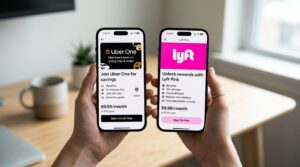
If you take more than four or five Uber rides per month, an Uber One membership delivers consistent savings across both rides and Uber Eats. Combined with smart timing, it can offset the cost of living in California’s more expensive rideshare cities.
Avoid the Obvious Surge Windows
Surge pricing is most aggressive between 7 and 9 AM, 5 and 7 PM on weekdays, and after 11 PM on weekends. For deeper strategy, see our breakdown of how Uber’s surge pricing model actually works, plus practical ways to save money on every ride.
The Bottom Line for California Riders
If you have flexibility to choose where you stay or travel within California, San Diego, San Jose, and Sacramento consistently deliver the best Uber experience in 2026 — short waits, fair pricing, and minimal surge frustration. San Francisco and central Los Angeles remain valuable markets but require more planning, more patience, and a higher budget. The good news is that knowing what to expect before you tap the app turns even the worst California Uber city into a manageable one. The riders who fare best are the ones who match their travel timing and pickup location to how their specific city actually behaves.